
The Clarella Project

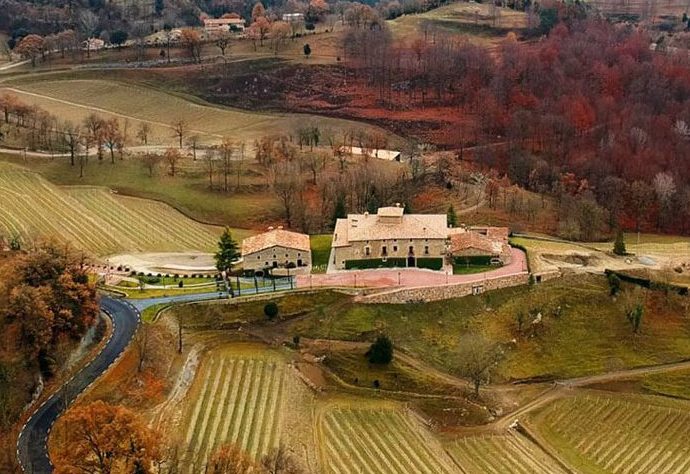
Nestled in the Besora valley, north of the Osona region and at the foothills of the Pyrenees, stands the majestic Mas Clarella. This ancient estate tells the story of everyday life in this territory, the deeds of the people who have lived here, and the fruits grown on its land.
We invite you to discover Clarella: the farmhouse, the winery, the artisanal wines, and its authentic history.
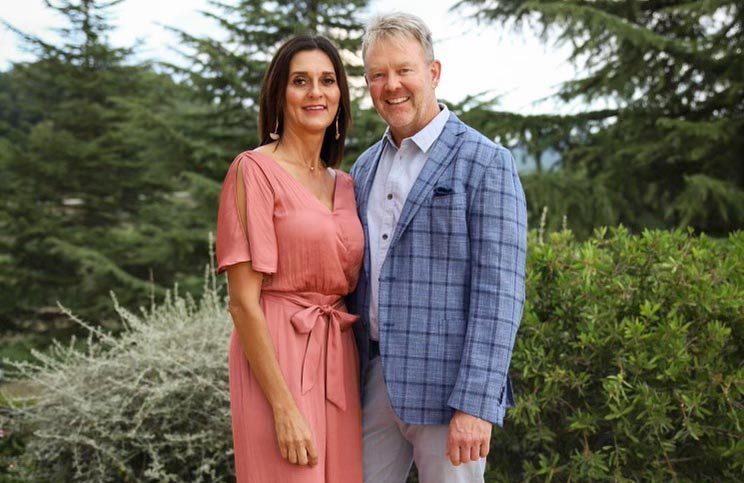
In 2013, Brad Call and Teresa Jensen, an American couple, acquired this estate with the firm intention of restoring its buildings while respecting their original authenticity, and bringing back the ancient crops of olive trees and vines that had grown there for centuries.
Today, this purpose is beginning to bear fruit, and we can admire the fully restored farmhouse, as well as enjoy the wines and oils produced on this fertile land.
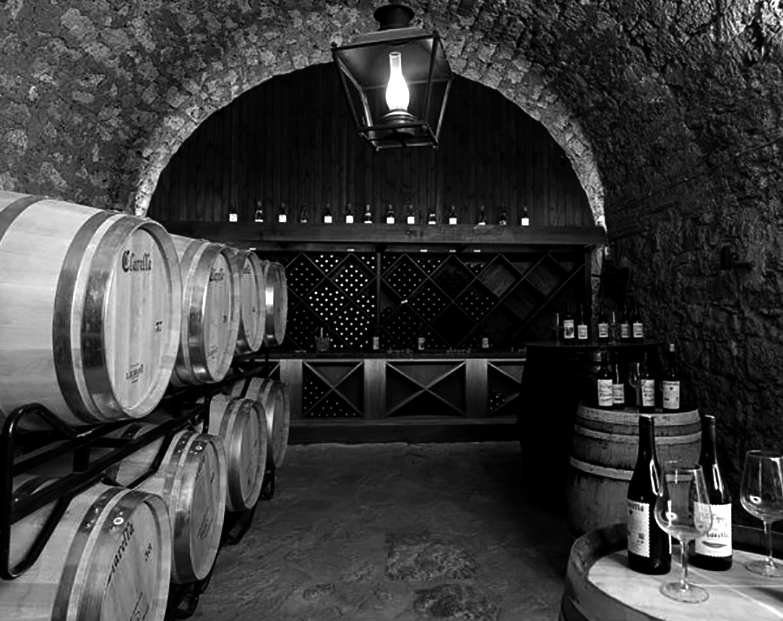
The Clarella project focuses on two main initiatives: wine production and wine tourism. Currently, nine wine references are being produced, including an oxidative aging wine, three reserves, a Riesling, a Pinot Noir, and three young wines. Additionally, an enotourism project is being developed, offering guided tours of the estate with wine tastings, pairing experiences, accommodation in several houses adapted for visitors, and, soon, an event program that will combine culture, gastronomy, and wine.
Mountain Wine
Clarella is located in a high mountain area, between 850 and 1,050 meters of altitude (Catalan Pre-Pyrenees). For this reason, ours is a mountain viticulture that requires specific work to guarantee the success of wine production.
These specific conditions depend on the orography, exposure, and orientation of our vineyards. That is why we try to ensure they receive the maximum number of sunlight hours, which is the determining factor in winegrowing.
Taking into account the climatological characteristics we have at Clarella, our work on the vineyard is deeply important. The success of our harvests depends on it. A pruning adjusted in production to the number of buds per hectare, green pruning, and work to remove secondary shoots guarantee a leaf surface that optimizes our production.
From a sanitary point of view, it is also very important to carry out certain tasks, such as leaf removal, which allows better ventilation of our clusters, preventing the appearance of cryptogamic (fungal) diseases.
In mountain viticulture, yields are generally rather low, which translates into higher quality wines.
The Team
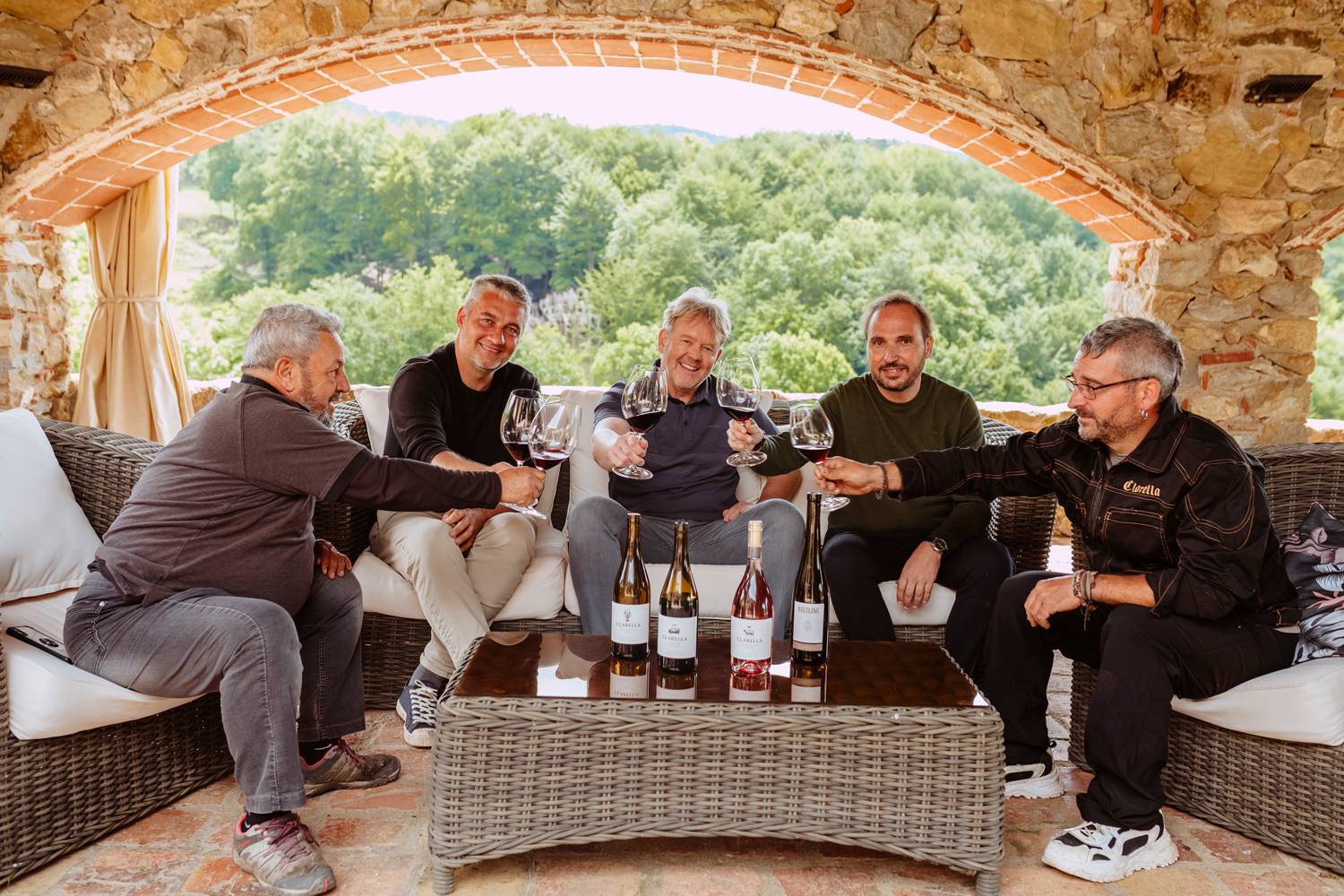
When Brad Call and Teresa Jensen started the Clarella project, they were very clear that they wanted to do it together with the people of the territory. Since 2013, this project has grown thanks to all the local professionals who have come to contribute their experience and who have fallen in love with Clarella.
Currently, the Clarella project has a dedicated team working to create the highest quality mountain wine varieties. This task aims not only to preserve this historical heritage but also to share it with all wine and history enthusiasts.
Mas Clarella
A centuries-old farmhouse that has lived through eras marked by wars, natural cataclysms, periods of decline, renovations, and restorations. It is a building saturated with a rich and tumultuous history. A family has lived within its walls from the 10th century until the late 20th century, when the last of the Clarellas left the house.
Today, this majestic farmhouse is experiencing one of its most glorious moments. Following a meticulous restoration that has preserved and honored its long history, along with the revival of the ancient vineyards that have prospered in its lands for millennia, Mas Clarella is more alive than ever: it provides work to the local inhabitants and invites neighbors and visitors to dive into its fearless history, its exquisite wines, and the tireless dedication of those striving to restore the grandeur of this venerable estate.
Learn more